


portsmouth abbey news
Ravens Roundup: December 2025
Winter Tournaments
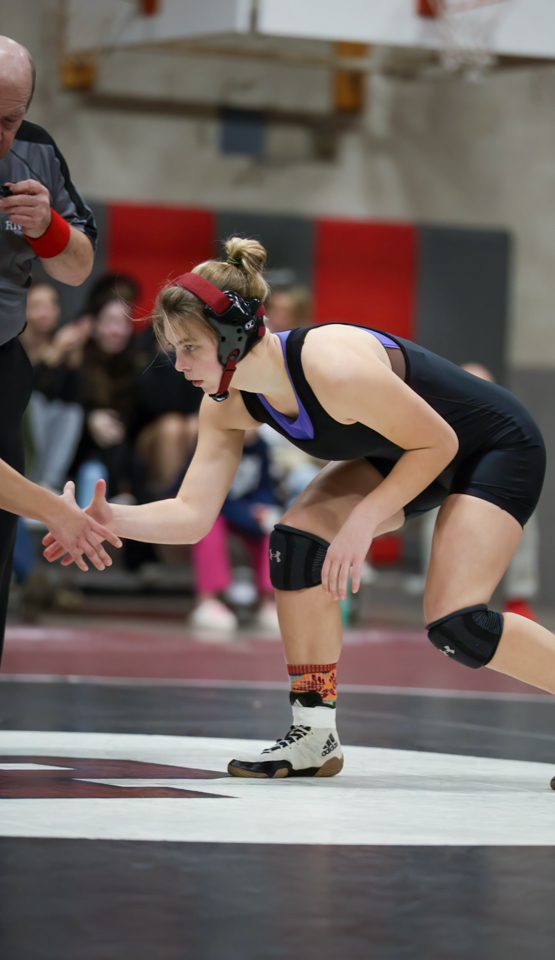
Winter athletics closed the season with competitive tournament play across programs. Boys Basketball competed at the Kingswood-Oxford Tournament, earning a 52–45 victory over Hyde School. Girls Basketball opened the Ethel Walker Tournament with a thrilling 41–39 win against Westminster. On the ice, Boys Ice Hockey split games at the St. George’s Tournament, highlighted by a 6–3 win over the hosts. Girls Ice Hockey delivered a standout performance at the Portsmouth Abbey Tournament, going undefeated with three identical 3–1 victories over Kimball Union, Tilton and Mount St. Charles. Wrestling wrapped up the season at the Haddam-Killingworth Tournament, with 11 wrestlers competing and gaining valuable match experience.
New Chapters, Coaches for Boys Varsity Ice Hockey and Football
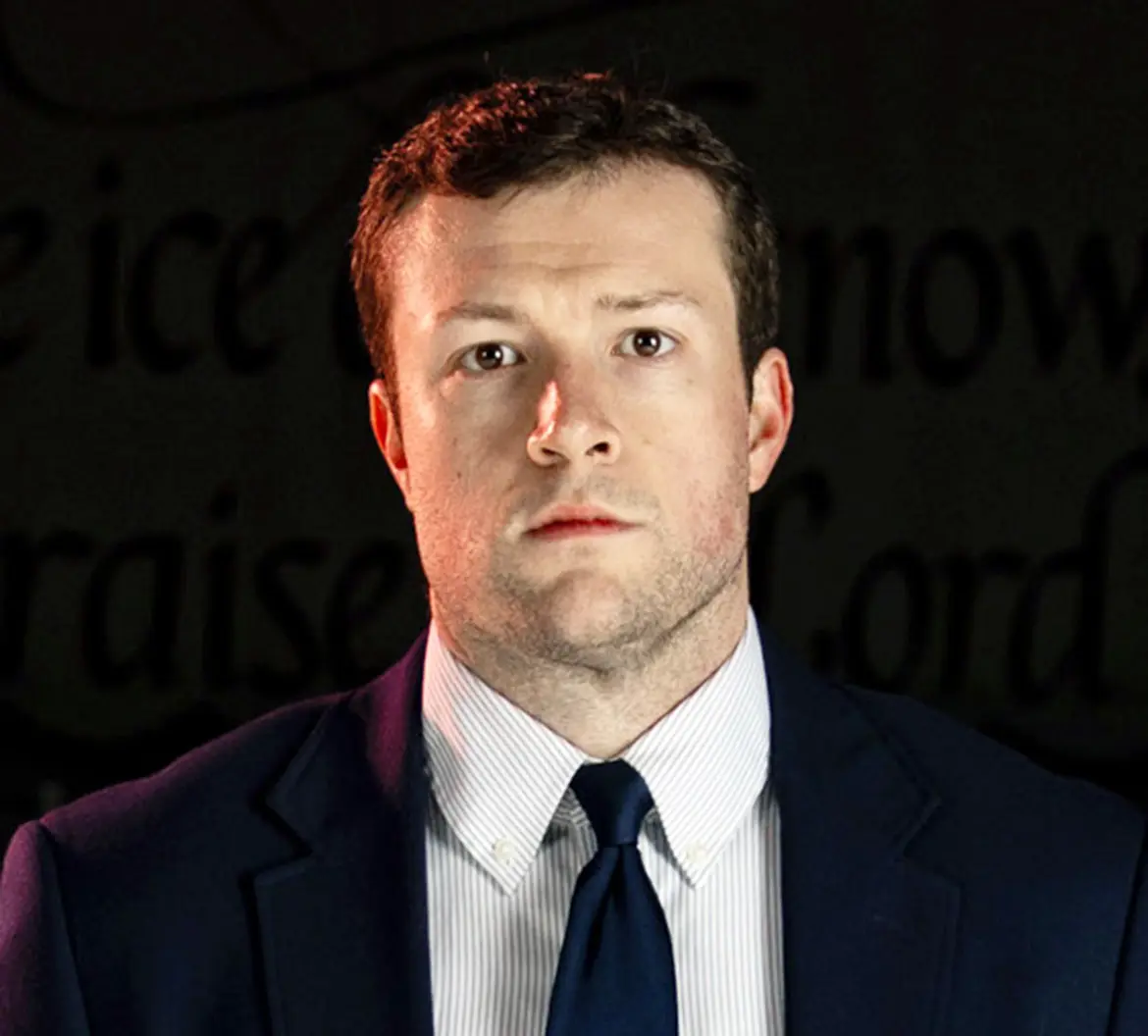
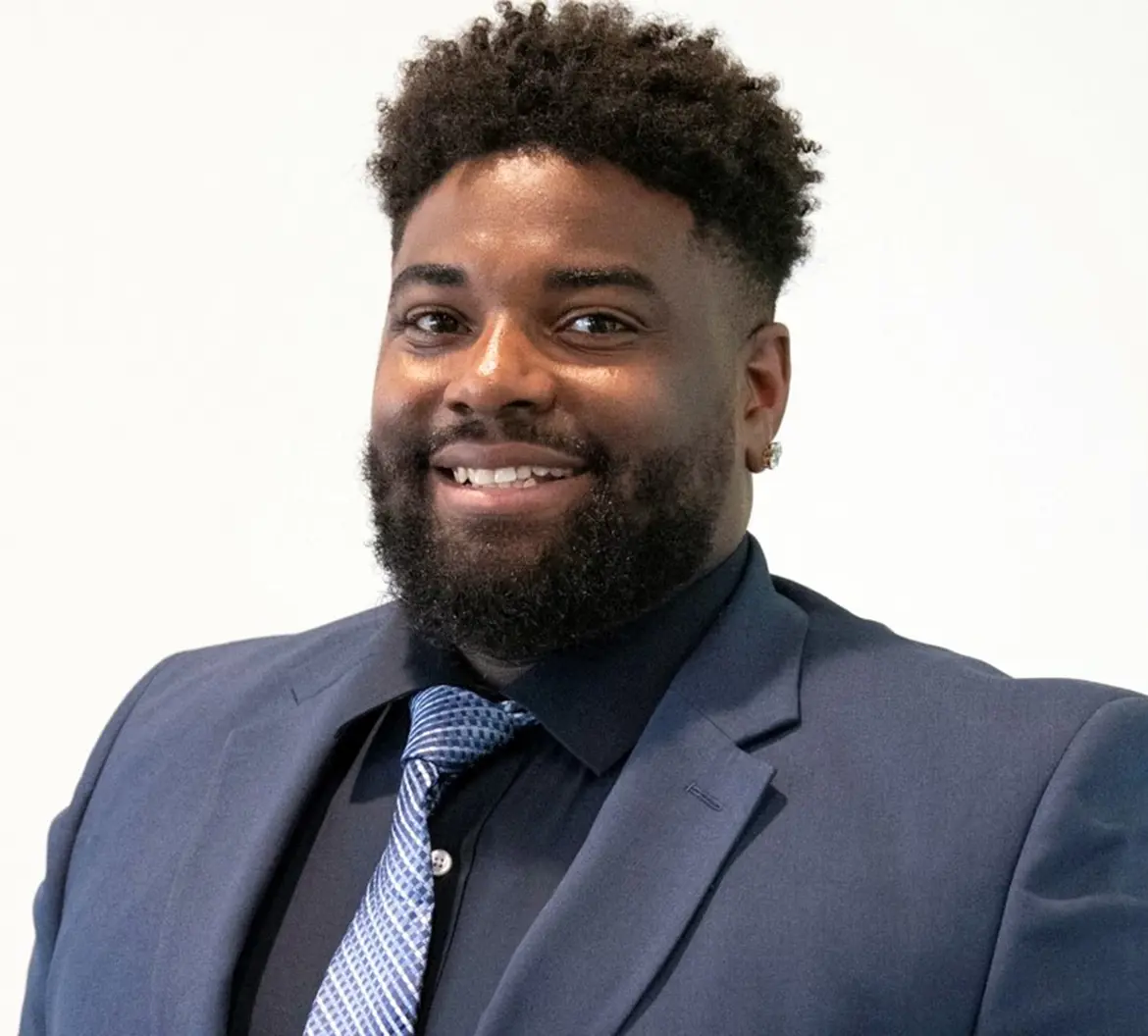
As winter settles in at Portsmouth Abbey, the regular day-to-day rhythms of campus life begin to shift a bit. The days shorten, evenings draw inward, and the rink and gym and fitness center become gathering places of shared effort and friendship. This winter marks a new chapter for Abbey hockey as Colin McKay, English teacher, steps into his first season as Head Hockey Coach. For McKay, the transition comes with an exciting mix of familiarity and fresh responsibility. Over the past two years, he served as Head JV Coach while also working closely with the varsity program as an assistant, developing relationships with players and gaining a deep understanding of the team’s culture. That continuity, he says, has mattered. Coming into the role already knowing the returners’ strengths, habits, and needs laid a strong foundation, especially after the graduation of a large senior class and the challenges that naturally follow. The season began unevenly, as many new eras do. Early games tested the team’s habits, particularly against the speed and physicality of prep-level competition. Rather than retreat, McKay and his players used the moment to reset and reexamining defensive structure, forechecking responsibilities, and line combinations, recommitting themselves to the details that define winning hockey. That recommitment paid off with a hard-earned victory over St. Sebastian’s, a historic powerhouse. McKay points not to the score line, but to the way the team played: disciplined in the defensive zone, willing to block shots, committed to battling along the boards, and focused on playing “on the right side of the puck.” What has impressed him most, however, is not tactical improvement but resilience. “They could have gone into that game thinking this was just going to be a rebuilding year,” McKay reflected. “Instead, they chose to prove something to themselves: that they can play a certain brand of hockey and be successful doing it.” That brand of hockey, in McKay’s view, is inseparable from development of character. Drawing on his own experience as a prep-school captain and his time working at Culver Academy, he emphasizes that hockey is ultimately about developing young men and women. Attention to the small details—how a locker room is kept, how teammates respond to mistakes, how players carry themselves on the bench— matters because it shapes habits that extend far beyond the ice. Mistakes are inevitable but how a team responds to them is a choice. McKay sees something distinctive in hockey, especially in winter. The sport’s intensity, physicality, and reliance on short, selfless shifts demand accountability to the group. Every decision one makes affects the entire team. That reality, he believes, fosters a rare blend of competitiveness and camaraderie that aligns naturally with the Abbey’s emphasis on community life. Winter sports, he notes, amplify that sense of togetherness. With fewer distractions and shared spaces that bring people in close, students and faculty experience the season collectively. When the hockey team is playing well, the energy is tangible, and support from the wider community follows. As McKay settles into his first year at the helm, his priorities are clear. He wants his players to grow, to improve as athletes, to support one another, and to be seen across campus as a group that holds itself to a higher standard. Wins matter, he says, but not at the expense of who the team becomes. “I don’t care if we don’t win a game all year. If I have twenty of the best guys in the locker room on this campus, guys with real character, that’s what matters most.” In that spirit, the McKay era begins with steady purpose: attention to detail, commitment to one another and faith that, over the long winter, those things add up to something great. Portsmouth Abbey has named Silas Copeland its new Varsity Football Head Coach, ushering in the next era of the Abbey’s football program with continuity and vision. Coach Copeland is no stranger to the Portsmouth Abbey community. He has most recently served as the School’s defensive coordinator and director of football operations, roles in which he has earned the trust of players, families, alumni and colleagues alike. Before coaching at Porstmouth Abbey, he coached at St. George’s School, Cumberland High School, and St. Raphael Academy, bringing a depth of experience at both the independent-school and public-school levels. Athletic Director Chris Milmoe emphasized that the decision reflected overwhelming support from within the program. When the search began, he noted, there was a “steady drumbeat” from players and staff pointing to Copeland as the right leader. In the interview process, Milmoe said, Copeland stood out for his preparation and vision, and promoting a coach who already knows the program and community positions the team to “hit the ground running” and build on the momentum of last season. A former student-athlete at Kent State University, where he played football and competed in track and field, Copeland brings both athletic and academic depth to the role. He holds a doctorate in sociology and a master’s degree in social work, grounding his coaching philosophy in leadership, development, and deep care for the whole person. Copeland takes over the program from Stanley Dunbar as the Abbey continues competition in the NEPSAC Evergreen League. Looking ahead, he describes a comprehensive vision of an offensive squad designed to exploit matchups, a disciplined and aggressive defensive unit focused on turnovers and limiting big plays, and a tactical special teams unit that develops both veteran and emerging players. Above all, Copeland sees the program as a vehicle for formation. He has pledged to honor the Abbey’s mission and to develop leaders the community is proud of. His calling card, he says, will be “The Brotherhood,” a team culture rooted in accountability, unity and shared purpose. |