




portsmouth abbey news
Abbey Faculty Published in the Los Angeles Review of Books
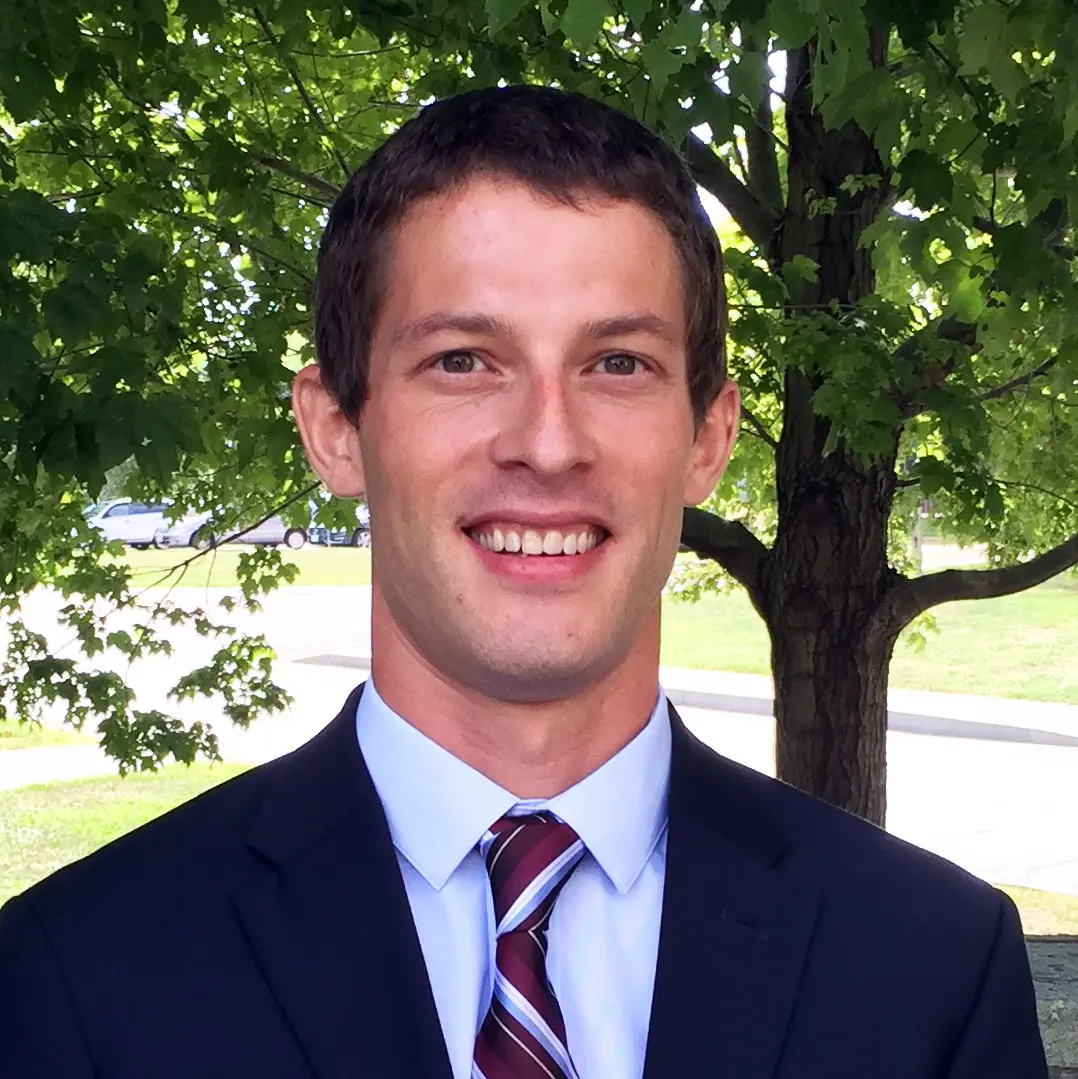
Michael St. Thomas, author of "A New Catholic Resurgence?" review and Head of the English Department.
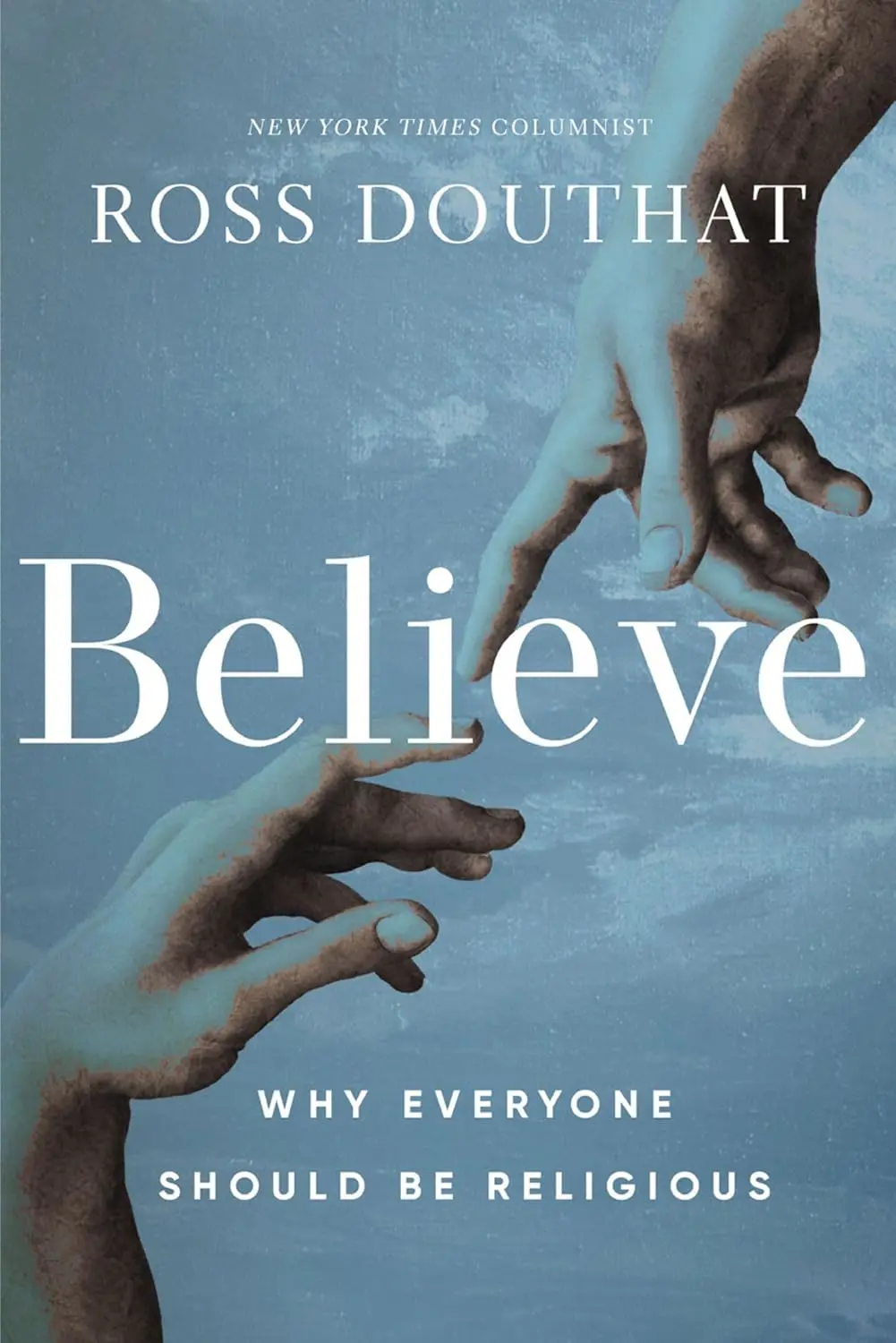
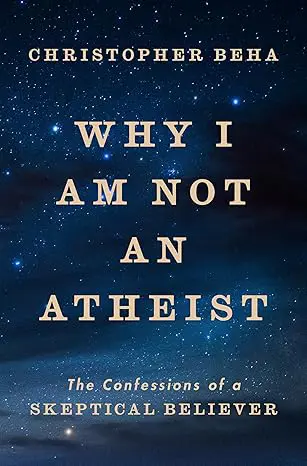
On May 7, Head of the English Department, Michael St. Thomas, published his book review titled “A New Catholic Resurgence?” in the "Los Angeles Review of Books." Grappling with the readings of Ross Douthat’s "Believe" and Christopher Beha’s "Why I Am Not an Atheist," prolific intellectuals and sincere believers, St. Thomas explores the tension between faith as an intellectual or political “option” and faith as a contemplative way of being.
By exploring the two texts, St. Thomas arrives at a central question facing contemporary Catholicism: Is religion primarily a cultural identity and social remedy, or is it a lived spiritual encounter that transforms the self from within?
While Douthat presents religion as a rational and socially useful response to modern secularism, St. Thomas ultimately finds this approach too transactional and consumer-driven. Beha, by contrast, finds his way to belief through love, suffering, doubt and lived experience, suggesting that faith cannot simply be reasoned into existence but must be embodied. In the end, St. Thomas’ review argues that authentic religious belief emerges not from culture-war utility or external observance, but from humility, relationship, and the difficult inward search for transcendence.
We met with St. Thomas to dive deeper into the content of his review, the questions behind our modern relationship with religion as a transcendent haven, and how younger generations can use these frames of reference as a spiritual guide within their own doubt. Below is his response.
|
These two books caught my eye for a few different reasons. Firstly, I am very familiar with both authors—I’ve reviewed their books before and enjoyed them. Christopher Beha’s novel "The Index of Self-Destructive Acts" (2020) was our faculty summer reader a few years ago. I think they are two of the most impressive writers today who are both public intellectuals and Catholics. Also, the question of the “Catholic resurgence,” if we can speak of such a thing, is one I’m quite interested in. My wife Mary and I are both cradle Catholics, but over the years our extended families have come to span the range of contemporary practice—we have non-practicing siblings as well as those who prefer the Latin Mass. There are so many options for those looking to craft a Catholic identity in the current moment. If Catholicism is undergoing a revival, it is more fragmented than unified. One of the problems this presents is that the discussion of how the Church can provide purpose and meaning tends to center on outward expressions of faith, since these are the things that are markers of bespoke religious identity. Externals are important, no doubt, but the spiritual tradition of the Church runs much deeper. I have been blessed in my own life to discover the riches of the Church’s mystical writers, thanks in no small part to my relationship with some of the monks here at Portsmouth Abbey. The whole purpose of the outward expressions of our faith is to help us make spiritual progress, which is measured in terms of interior growth, in terms of things like humility, charity, and purity of heart. These things are neither readily observable nor easily advertised. And there are few, if any, Catholic voices today who are able to speak to a wide audience from the perspective of these resources of the Church. In the mid 20th-century the American Church had figures like Archbishop Fulton Sheen and Thomas Merton, but they have no apparent heir. This was the frame for my review. Douthat and Beha have written different books. Douthat is a cultural critic and a noted observer of religious trends. His book makes the case that people would be happier if they situated themselves within a religious practice. This may be true, but ultimately it’s a consequentialist argument for subscribing to religion, as it argues for an action in terms of its benefits. That may be a good way to pick a car or a diet, but the line of reasoning leaves a lot to be desired in terms of spirituality. Ultimately, we should practice a faith because we believe its propositions to be true, because our search for meaning in our lives compels us to.
Beha’s book is more of a memoir than an argument for why we should believe. And I think this is a better way to approach spiritual questions. We are rational creatures, but meaning involves the illogical as well as the logical, our emotions as well as our intellect. Beha’s memoir takes us on his own philosophical journey, where he basically discovers that meaning isn’t something we “figure out” with our mind; it’s something that we participate in making, with our whole selves. His journey from childhood Catholicism to atheism back to Catholicism as an adult is not because he thinks it’s beneficial to him; it’s because of the experiences he had and the people (especially his wife and children) with which his own life grew intertwined. Love, more so than logic, draws him back to the Catholic faith. Despite this, Beha insists that he remains a “skeptical believer.” Doubt, for him, is not the antithesis of belief but part of it. Douthat, however at the outset of his book, claims that he is offering us “a blueprint for thinking [our] way…from doubt into belief.” For the external religious elements on which he focuses, doubt is, if not the opposite of belief, certainly aligned with a lack of purpose. Yet one of the great riches the Church offers, I’ve come to realize, is that doubt and belief can walk side by side. If faith is rightly understood as more than a mere rational proposition, if it is considered to be a deeper placing of trust in a God whom we can never fully understand, then doubt is inevitable. In fact, Beha presents doubt as more than that—as necessary in order to deepen one’s understanding of the mystery of the divine and our place in a love that, as St. Paul said, “surpasses understanding.” I’ll recommend two contemporary writers who may be of interest to readers. I’ve found them to be writing from the deepest parts of the Church’s spiritual traditions. One is Christian Wiman, a contemporary Christian poet and writer (though not Catholic). Check out his excellent memoir on suffering, "My Bright Abyss," which I read sections of with my 6th-form English class. I would also recommend the Augustinian priest Fr. Martin Laird, whose book "Into the Silent Land" helped introduce me to the Church’s mystical tradition. If you’re interested in learning more about Mike St.Thomas' review, feel free to read the publication linked below. |